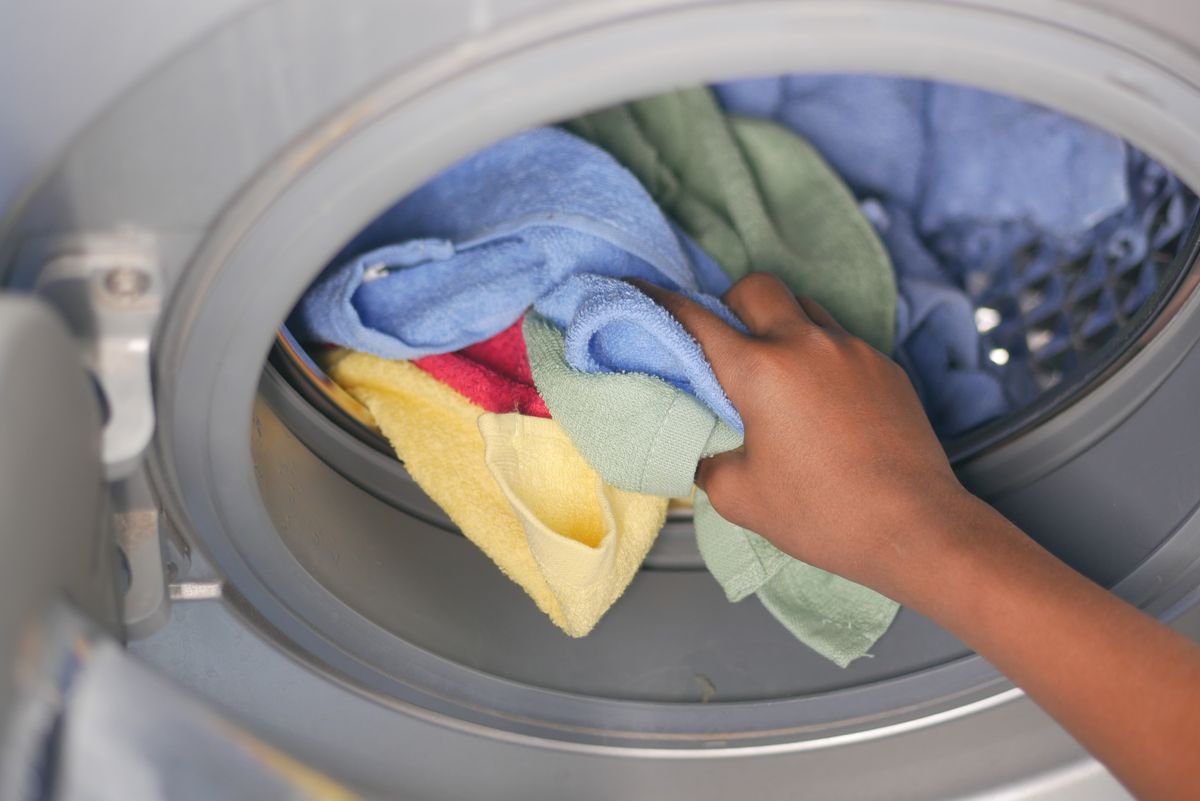
A dryer that needs two cycles isn't just annoying — it's burning roughly double the energy and cooking your clothes. In our vans, slow drying traces back to three culprits in this order: blocked airflow, weak heat, or lying sensors. Here's how to tell which one you have before you call.
Culprit one: the vent is choked
Go outside while the dryer runs. The exhaust hood should push a strong, warm gust that holds a tissue flat. Weak flow means lint is packed somewhere in the run — the most common cause we find, and a genuine fire risk. Flexible plastic venting crushes and traps lint; rigid metal with a short run is what you want. If flow is weak at the wall, stop using the dryer on high heat until it's cleaned.
Culprit two: the heat is fading
- No heat at all: usually a blown thermal fuse or a dead heating element — both quick same-visit replacements.
- Some heat, slow drying: a partially failed element or a cycling thermostat cutting out early. The dryer feels warm but never finishes the job.
- Too much heat, still damp: classic blocked-vent signature — the safety thermostat keeps tripping on overheating while moisture can't escape.
Culprit three: the moisture sensor lies
Sensor-dry cycles end early when the moisture bars get coated with dryer-sheet residue. Wipe the two metal strips inside the drum with white vinegar. If timed dry works fine but sensor dry quits damp, you've found it — a five-minute fix, no parts needed.
When to stop and call us
Burning smells, a dryer cabinet too hot to touch, breakers tripping mid-cycle, or weak outdoor airflow you can't clear from the back of the machine — those need a vent power-clean, element test, or thermal-fuse diagnosis on the spot. Most two-cycle dryers are fixed in a single visit.
Still running everything twice? Call +1 (202) 555-0146 or book a diagnosis — flat fee, waived with repair.